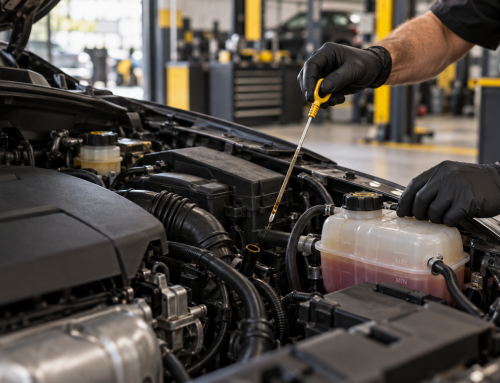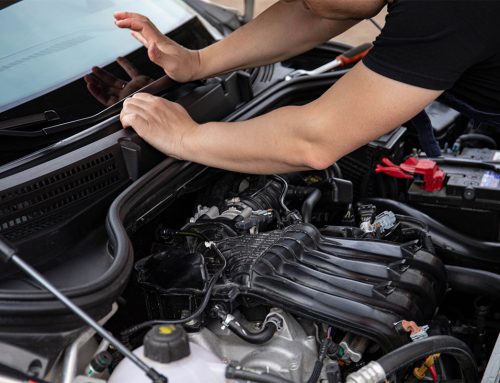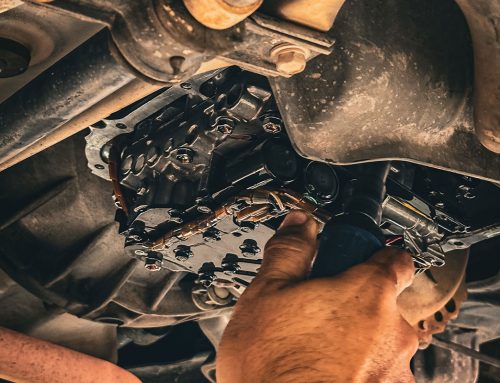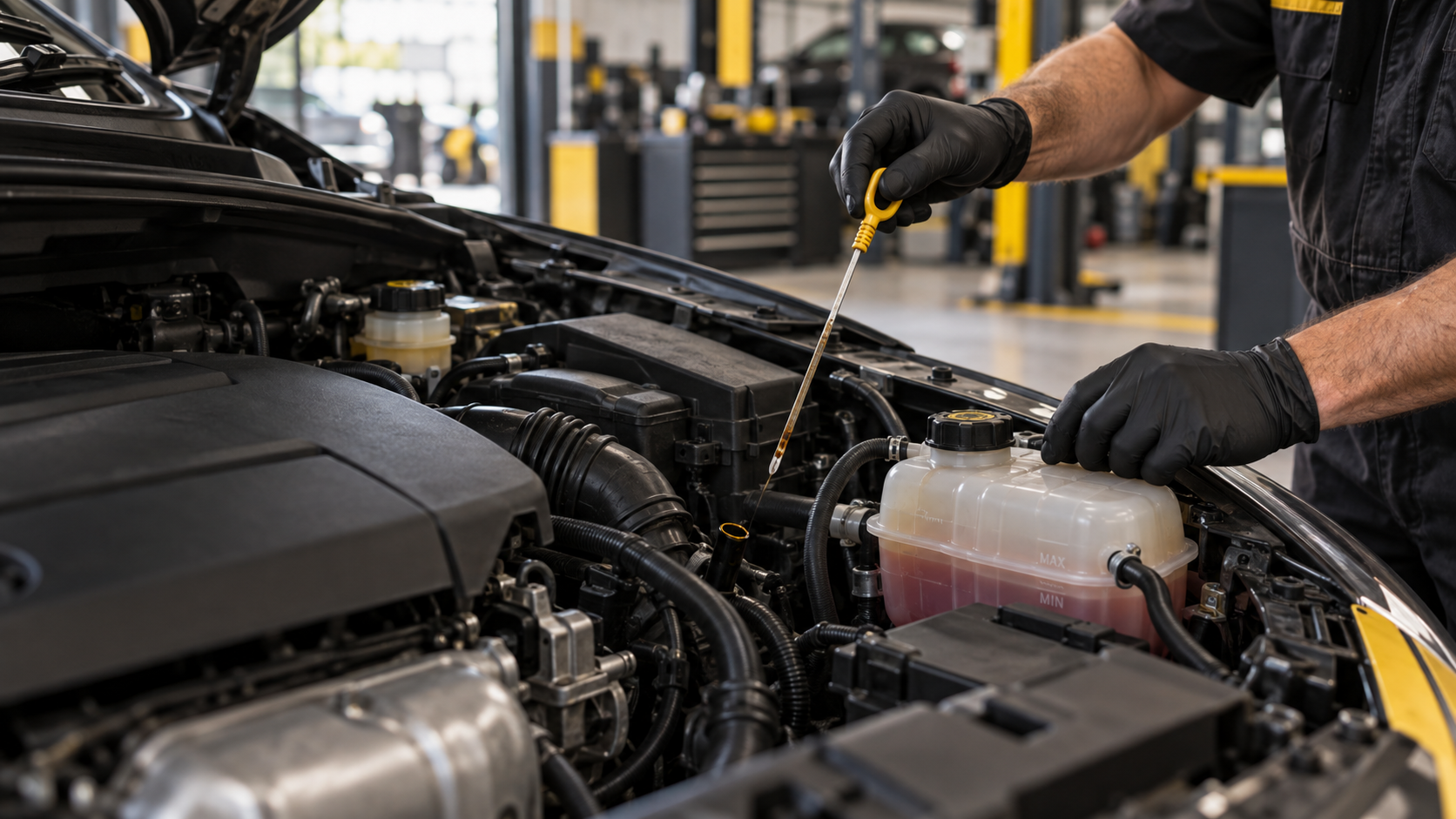
What does a car service include? Four areas: engine and fluid replacements, a full brake system inspection, tyre and suspension checks, and an electrical and battery test. Most of it is inspection rather than replacement, and anything found beyond that scope is quoted and approved before it is carried out.
It is a fair question, and the answer should never be vague. A full service is a defined list of work plus a structured inspection, and you are entitled to know both parts before you book. Here is how we work through it at our Flinders Park workshop.
Engine Checks and Fluid Replacements
This is the core of any service and the first part of the answer to what does a car service include.
- Engine oil drained and replaced with the correct grade and quantity for your engine, not a generic fill.
- Oil filter replaced every service, along with the sump plug washer.
- Air filter checked and replaced according to the service level and condition.
- Cabin filter checked and replaced, which matters more in Adelaide summers than people think.
- Coolant level and condition checked, topped or replaced as scheduled.
- Brake fluid level and condition checked for moisture content.
- Power steering, washer and transmission fluids checked and topped where accessible.
- Belts, hoses and mounts inspected for cracking, perishing, weeping or play.
Oil does not simply get dirty. It loses its ability to protect internal components, and once that happens the resulting wear does not reverse with the next oil change. That is why the interval matters as much as the oil itself.
Brake System Inspection
The next part of what does a car service include is the braking system. It is where small problems become serious ones fastest, so it gets looked at properly rather than glanced at.
- Brake pads measured for remaining material, both inner and outer.
- Discs and rotors checked for scoring, lipping, uneven wear and thickness.
- Calipers and slides inspected for seizing, a common cause of one-sided wear.
- Brake lines and hoses checked for corrosion, chafing and weeping.
- Brake fluid assessed, since it absorbs moisture over time and softens the pedal.
- Handbrake travel and function checked.
If anything needs attention, you get told what it is and what it costs before it happens. Our brake repairs page covers that work in more detail.
Most of a service is inspection. That is not padding. Finding a problem early is the entire economic argument for servicing.
Tyre and Suspension Checks
These two get checked together, because each one tells you about the other. Uneven tyre wear is often the first visible sign of a suspension or alignment problem.
- Tread depth measured across each tyre, not just at one point.
- Tyre pressures set to the placard for your vehicle.
- Wear patterns read for signs of alignment issues, worn components or under-inflation.
- Sidewalls checked for cracking, bulges and damage.
- Shock absorbers and struts inspected for leaking and loss of damping.
- Bushes, ball joints and steering components checked for play.
- Spare tyre checked, which is the one nobody looks at until it matters.
Electrical System and Battery Test
Batteries rarely give much warning. Testing takes a couple of minutes and saves a lot of inconvenience.
- Battery condition and cranking capacity tested rather than assumed from age.
- Terminals checked for corrosion and tightness.
- Charging system output checked so the alternator is doing its job.
- Lights checked all round, including brake lights and indicators.
- Wipers and washers checked for function and blade condition.
- Warning lights and fault codes noted and investigated where present.
Why Each Check Is Important for Safety
It is easy to read a checklist as a list of chargeable items. It is more useful to read it as a list of things that fail, and what happens when they do.
| Check | What It Prevents |
|---|---|
| Engine oil and filter | Internal wear and eventual engine damage from oil that has stopped protecting properly. |
| Brake pads and discs | Longer stopping distances, and pad material wearing through into far more expensive disc damage. |
| Brake fluid | A soft or fading pedal under heavy or repeated braking, caused by moisture in the fluid. |
| Tyres | Reduced grip in the wet, poor handling and the risk of a failure at speed. |
| Suspension | Unstable braking and handling, plus tyres wearing out well before they should. |
| Cooling system | Overheating, which does expensive engine damage quickly once it starts. |
| Battery and charging | Being stranded, usually at the least convenient possible moment. |
None of these are dramatic while they are being checked. That is the whole point of a service, and the real reason what does a car service include is worth knowing before you book rather than after. You can see the full range of what we cover on our services page.
| Common Questions |
Frequently Asked Questions
What does a car service include that a log book service does not?
A full service follows a comprehensive general checklist. A log book service follows your manufacturer’s specific schedule for that interval and gets stamped, which keeps your service history and warranty position intact.
Does a service include brake pad or tyre replacement?
No. The service includes inspecting them and telling you what they need. Replacement is quoted separately and only carried out once you approve it.
How often should a car be serviced?
Follow your manufacturer’s interval, usually set by kilometres or months, whichever comes first. If you do mostly short trips or a lot of stop-start driving, the time-based interval is often the one that applies.
Can I ask for a copy of the inspection findings?
Yes. You should be told what was checked, what passed and what needs attention, with a price against anything recommended.