How long does a car service take? A minor service usually runs one to two hours, a log book service two to four, and a major service three to five. What moves you within those ranges is what the inspection turns up, whether parts are on the shelf, and when the car was dropped off.
The honest answer depends on which service you are booking, what the workshop finds once the car is up on the hoist, and whether the parts it needs are in stock. That said, the ranges are fairly predictable, and a good workshop should be able to tell you before you hand over the keys.
Minor Service vs Major Service: Time Differences
The single biggest factor is which service is due. A minor service is a maintenance top-up. A major service is a proper going-over. They are not the same job and they do not take the same time.
| Service Type | Typical Time | What It Generally Covers |
|---|---|---|
| Minor / Interim | 1 to 2 hours | Engine oil and filter, fluid levels topped up, tyre and brake visual check, basic safety inspection. |
| Log Book | 2 to 4 hours | Whatever the manufacturer schedules at that interval, completed to specification and stamped. |
| Major / Full | 3 to 5 hours | Everything in a minor service plus air and cabin filters, deeper brake inspection, cooling and driveline checks. |
Times are general guidance for a typical passenger vehicle. Your own booking is confirmed when you book in.
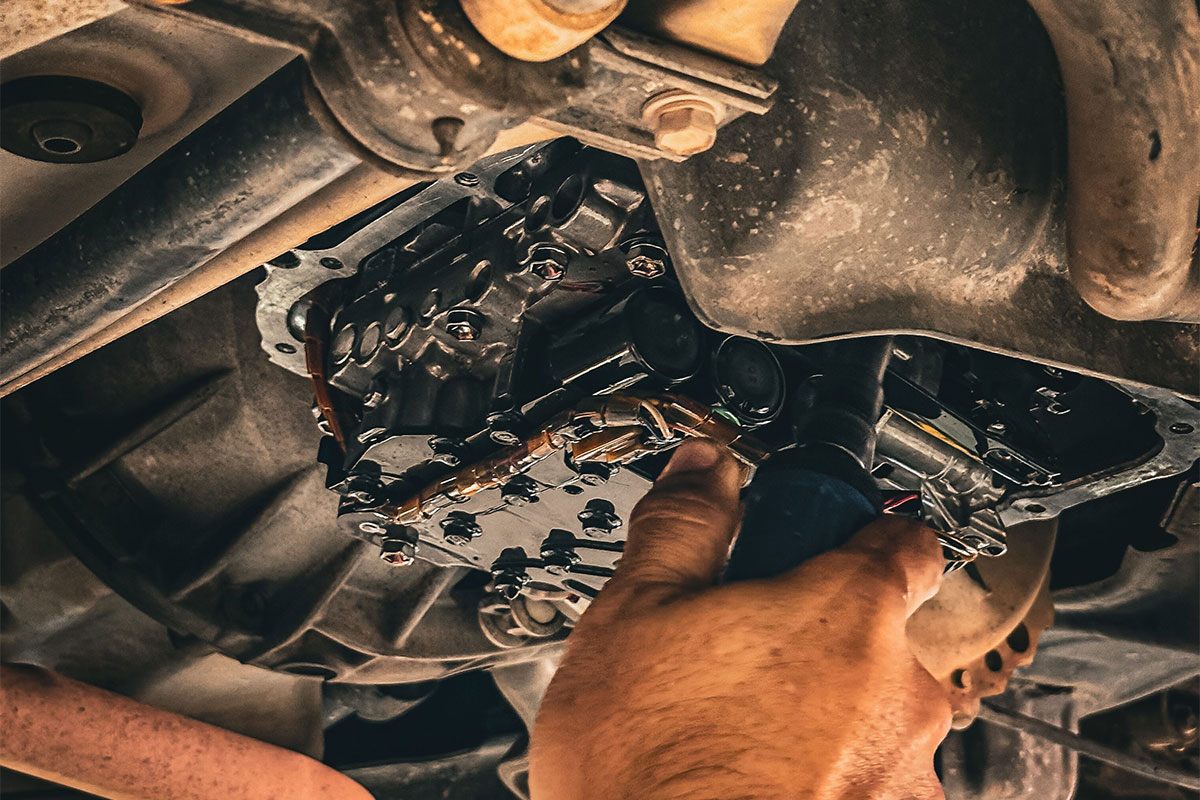
For most passenger vehicles on Adelaide roads, that table is the practical answer to how long does a car service take. The gap between the levels is mostly inspection time rather than replacement time. Pulling wheels off to look properly at brakes, checking suspension components for play, and testing the cooling system all take longer than draining oil does.
Most of a major service is looking, not replacing. That is exactly why it takes longer, and exactly why it is worth doing.
Factors That Affect Service Duration
Two cars booked in for the same service can leave hours apart. These are the usual reasons.
What the Inspection Finds
Brakes down to the wear indicators or a weeping hose is raised with you before anything happens. Approving the extra work is what adds the time.
Parts Availability
Common filters and oils are on the shelf here. A less common part for an imported vehicle may need ordering in, which pushes it to the next day.
Vehicle Age and Condition
A well maintained car with a complete history moves through quickly. One that has skipped a few services needs a good deal more inspection time.
Workshop Load on the Day
Your car joins the same queue as every other booking, so how many are booked in ahead of it changes when yours reaches the hoist and comes back.
Detail Given at Booking
Make, model, kilometres and what the car has been doing lets us set aside the right parts and the bench time. Vague bookings cost time up front.
Drop-Off Time
A car dropped in first thing almost always comes back sooner than one dropped at midday, because it enters the workshop queue that much earlier.
Checklist: What Is Done During a Typical Service?
Knowing what is happening in those hours makes the timing make more sense. A typical service at our workshop runs roughly in this order.
Start to Finish
- Arrival and confirmation. We confirm what you booked, note anything you have told us the car is doing, and record the kilometres.
- Vehicle up and drained. Engine oil out, sump plug and filter replaced, fresh oil to the correct specification for your engine.
- Filters as scheduled. Oil filter every time. Air and cabin filters depending on the service level and the interval due.
- Fluids checked and topped. Coolant, brake fluid, power steering, washer, and transmission where accessible.
- Brakes inspected. Pad and disc condition, fluid condition, and a look for leaks or uneven wear.
- Tyres and suspension. Tread depth, pressures, wear patterns, and a check of shocks, bushes and steering components for play.
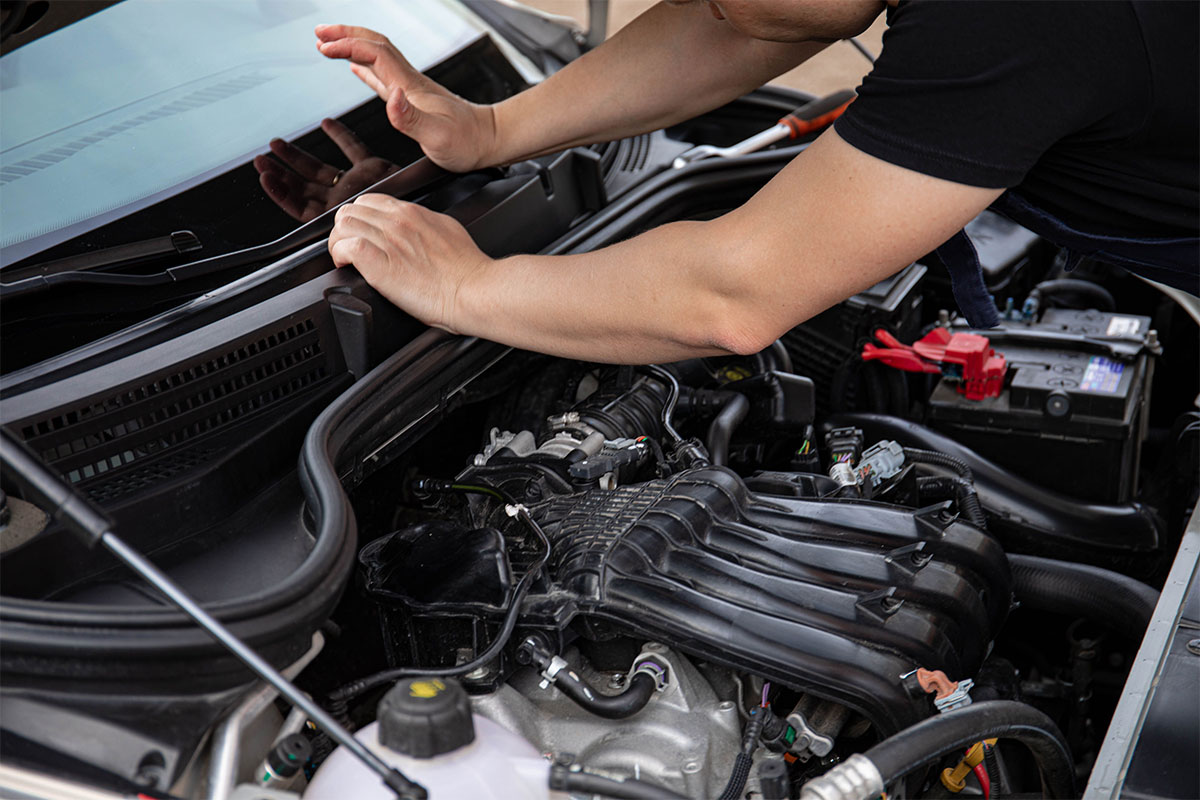
- Under bonnet and underbody. Belts, hoses, mounts, exhaust and any sign of a developing leak.
- Battery and electrics. Battery condition, charging output, lights and wipers.
- Report and approval. Anything found is explained to you, with a price, before it is carried out.
- Final checks and handover. Levels rechecked, log book stamped where it applies, and the car returned ready for the road.
If you want the full detail of what each step covers, our car service page sets out the work in more depth, and log book servicing follows your manufacturer’s schedule rather than a generic list. Brakes are inspected as standard, and anything needing attention is covered on our brake repairs page.
Can a Mobile Service Be Faster?
Sometimes, and not always for the reason people expect.
A mobile visit changes who the waiting belongs to rather than the work itself. It does not change how long does a car service take on the clock, because draining oil takes the same time in your driveway as it does on a hoist. What it removes is your travel and waiting time, which for a lot of drivers is the part of the day they actually care about.
The trade-off is access. A hoist lets a mechanic get properly underneath a car, which matters for a thorough inspection, brake work and anything involving suspension or exhaust. Jobs that need lifting, specialist equipment or a longer diagnostic session are better done in the workshop.
The practical answer is to describe what the car needs and let the workshop tell you which option suits. Straight advice on that is worth more than a booking that has to be moved halfway through.
| Common Questions |
Frequently Asked Questions
How long does a car service take if I book first thing?
Earlier bookings almost always come back sooner, because the car enters the workshop queue at the start of the day rather than behind three others. If you need the car back by a certain time, say so when you book and we will tell you honestly whether it is realistic.
Can I wait while the car is serviced?
For a minor service, often yes. For a major or log book service, most people drop the car off, since a three to five hour wait is a long morning. Ask when you book and we will tell you which is realistic.
Does a log book service take longer than a standard one?
It depends on the interval. Some scheduled intervals are light and land near a minor service. Others call for filters, fluids and a longer inspection list, and run closer to a major service.
Why did my service take longer than quoted?
Almost always because something was found and approved along the way. Work should never be added without your say-so, so if the time changes you should hear why before it happens, not after.